






Seeking Legal Advice: Your Compass in Dispute Resolution
Disagreements and legal disputes are often fraught with intense emotions and complex legalities. Understanding where you stand legally is crucial. It equips you with the knowledge and confidence to navigate the dispute resolution process successfully, whether through direct negotiation or via mediation. This blog post focuses on the significance of legal advice and how to access it, bolstering your negotiating position.
The Power of Informed Negotiation
Entering negotiations with a clear understanding of the legal landscape enhances your ability to advocate for your interests effectively. Legal advice can demystify your rights and responsibilities, painting a clear picture of the strengths and weaknesses of your position. With accurate information on the applicable legislation, legal principles and the all-important precedents set out in case law, you’re better prepared to negotiate—whether directly with the other party or through structured mediation, such as with the Queensland Small Business Commissioner (QSBC).
Our mediation services offer a more structured environment wherein a mediator assists both parties in working towards a mutually satisfactory resolution. Yet, it’s the informed groundwork laid out by legal advice that can turn the tides in such settings, ensuring that you’re negotiating from a position of strength.
How to Secure Legal Advice
Securing legal advice can come through various channels, ranging from paid professional services to community offerings like the ones at the Bond University Law Clinic. Here’s a guide on how to proceed:
1. Bond University Law Clinic: Free Legal Advice
If you are facing financial hardship the Bond Law Clinic provides free one-off consultations where individuals can speak with a qualified solicitor about their legal concerns.
To start fill in their Client Intake Form on their website for an appointment. To learn more about Bond Law Clinic you can watch this video.
2. Engaging a Private Solicitor
For comprehensive and ongoing assistance, investing in a private solicitor might be necessary. A paid legal counsel can delve deeper into your case and provide a robust defence of your position. They can also negotiate on your behalf if required.
When seeking a solicitor, you have several considerations:
- Consult the Queensland Law Society: They offer a ‘Find a Solicitor’ search function through their consumer website You and the Law, which can help you identify legal professionals according to your specific needs.
- Understand the Fees: Enquire about the cost structure of your chosen solicitor. Lawyers might work at an hourly rate, or for some services, offer a flat fee. Always ask for a cost estimate upfront.
- Explore Suburban Law Firms: If you’re budget-conscious, suburban law firms may offer more competitive rates without compromising on the quality of service.
Preparing for a Legal Consultation
To benefit from any legal advice session—free or paid—it’s imperative to:
- Come prepared. Gather all relevant documents tied to your dispute, including contracts, correspondence, and relevant financial records.
- Create a detailed chronology of events leading to the dispute that will provide your advisor with a clear picture, improving the advice they can offer.
- Work through this checklist: understanding your dispute.
- Approach the legal advice session with prepared questions to help you get the best understanding of the strengths of your position but also the weaknesses or risks. Then flip those questions to understand what the other strengths and weaknesses are of the other parties position.
To save time and reduce legal costs, prepare your questions in advance, as most solicitors charge based on the time spent with them. The Queensland Small Business Commissioner (QSBC) encourages parties in dispute to prepare their own tailored questions. Below is a list of example questions to help guide you when speaking to a solicitor about your dispute:
- Do I have enough evidence to support a favourable decision in a tribunal or court?
- What additional evidence could strengthen my case?
- Which legislation applies to this matter?
- What is the best way to lodge this with a court or tribunal?
- What are the timeframes, processes, and costs involved?
- Are there alternative options to resolve this dispute before pursuing legal action?
A Stepping Stone to Stronger Negotiations
Seeking legal advice early can help to guide you in early negotiations or before mediation.
You will be better positioned to negotiate with greater clarity and confidence, whether directly or in a mediated environment. Investing in legal advice to understand your legal standing might seem expensive but can save you time and money in the long run. Consider what is at stake. Weigh up the risks of not getting legal advice versus the benefits legal advice can bring.
To discuss your situation, and get connected with people that can help, reach out to our Assistance team.
Check out our Fact Sheets
Small Business Case Studies

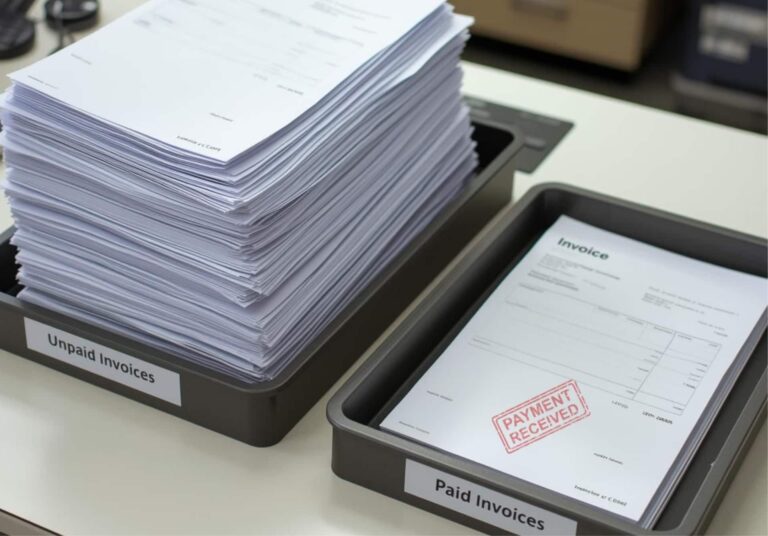
Unpaid Invoices: Practical Steps to Help You Recover What’s Owed
Running a small business is no small feat, and when a client or customer doesn’t pay an invoice, it can be incredibly frustrating and stressful. Whether it’s a misunderstanding, a cash flow issue, a dispute over the goods or services provided, or the other business is simply unable or unwilling to pay, unpaid invoices are a common challenge for small businesses.

Meta shutdowns: The Risks of Relying on One Platform
Have you heard about small businesses having their Facebook and Instagram accounts instantly shut down, in some cases severely impacting their business? Here’s a look into what can happen and how you can help to protect your business from the impact of something similar.

What is a Retail Shop Lease in Queensland?
Understanding the term retail shop lease and whether it applies to your lease can be crucial (and complex). A lease won’t explicitly state that it is a retail shop lease.


